live
earthlive24.com
EarthLive24
🚀SpaceMulti-View

About This Camera

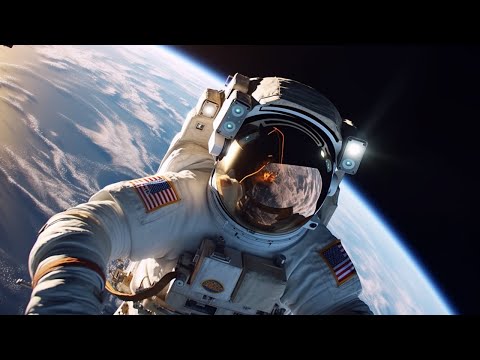
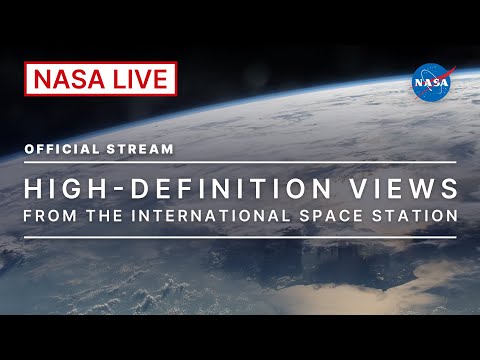
The Earth from ISS (4K) camera offers an unparalleled, dynamic vista of our home planet, streamed live from an altitude roughly 400 kilometers (250 miles) above its surface. This isn't a static postcard; viewers are treated to a constantly shifting panorama as the International Space Station hurtles around the globe at approximately 28,000 kilometers per hour (17,500 mph). The camera typically points downward, often with an oblique angle, revealing the majestic curvature of Earth, the razor-thin blue line of its atmosphere against the inky blackness of space, and sometimes even glimpses of the ISS’s own solar arrays or structural elements subtly entering the frame. From this vantage point, continents aren't just shapes on a map; they are vast, textured canvases of geological wonder, outlined by coastlines that drift into the endless, glinting expanse of the oceans.

The International Space Station itself is a monument to human ingenuity and international collaboration, a floating laboratory where scientists from around the world conduct groundbreaking research in microgravity, astrophysics, and Earth observation. For us on the ground, this live feed is more than just a scientific instrument; it's a profound reminder of our shared home, a singular blue marble suspended in the void. It underscores the fragility and interconnectedness of our ecosystems, offering a perspective that has historically been reserved for a select few astronauts. Watching the planet unfold below is to witness the ultimate "overview effect," a humbling sense of universal unity that transcends borders and daily concerns.

The rhythm of the ISS is relentless, completing an orbit every roughly 90 minutes. This means viewers witness an astonishing 16 sunrises and 16 sunsets every 24 hours. During the "day" passes, the scene is dominated by swirling, intricate cloud formations, vast ocean expanses shimmering under the sun, and the distinct geological features of continents – from the Sahara's golden dunes to the verdant Amazon basin, or the snow-capped peaks of the Himalayas. As the ISS transitions into its "night" cycle, the landscape transforms dramatically. City lights twinkle like scattered diamonds, tracing the outlines of human civilization. If the orbital path takes the station into higher latitudes, lucky viewers might even catch the ethereal green and purple ribbons of the Aurora Borealis or Australis dancing across the atmosphere.

Weather patterns, usually observed as localized phenomena, become grand, sweeping narratives from this perspective. Watch for massive hurricane systems spiraling across tropical waters, vast dust storms blowing from arid lands, or even volcanic plumes rising from Earth's crust. While you won't see astronauts waving, the continuous operation of this camera is a testament to the ongoing human presence and scientific endeavors aboard the ISS, including maintenance, experiments, and the occasional spacewalk, which, while not directly visible, are part of the station's daily "life."

The seasons, too, play out on a global scale. In the Northern Hemisphere's summer, North America and Eurasia appear lush and green; winter brings vast blankets of snow and ice. The southern hemisphere mirrors these shifts, albeit inverted. This constant, global dance of light, weather, and life cycles is what makes the Earth from ISS stream a truly endlessly fascinating watch, revealing the dynamic beauty and constant change of our planet on a scale impossible to grasp from the ground.

What You Can See

Quick Facts

Location
Low Earth Orbit (approx. 400 km altitude)
Orbital Speed
~28,000 km/h (17,500 mph)
Orbital Period
~90 minutes
Daily Sunrises/Sunsets
16
Primary Purpose
Scientific research, Earth observation
Major Partners
USA, Russia, Europe, Japan, Canada
Camera Resolution
4K
Time Reference
UTC

Best Time to Watch

Given the ISS completes an orbit every 90 minutes, offering 16 sunrises and sunsets daily, there isn't a single 'best' time to watch. We recommend observing for at least a full orbital cycle (approx. 90-100 minutes) to experience both day and night passes. For specific phenomena like auroras, higher latitudes during local night are key. All times are referenced in UTC.

History & Background

The International Space Station project began in 1998 with the launch of its first module, Zarya, followed shortly by Unity. Over two decades, it grew into the largest human-made structure in space, a collaborative effort involving 15 nations and five space agencies. It has been continuously inhabited by rotating crews of astronauts and cosmonauts since November 2000, serving as a unique orbital laboratory for scientific discovery.

Visiting Space

To truly appreciate the dynamism of this stream, patience is key. Don't expect to see specific landmarks on demand; instead, let the Earth unfold before you. Look for the subtle glow of the atmosphere at twilight, the intricate patterns of clouds, and the vast scale of geological features. It's an opportunity for contemplation, offering a unique perspective on our shared planetary home.

Frequently Asked Questions

What exactly am I seeing on the Earth from ISS live camera?

You're seeing live, high-definition views of Earth as observed from the International Space Station, orbiting approximately 400 kilometers above the surface. The camera captures continents, oceans, vast weather systems, and the dynamic transition between day and night every 90 minutes.

Why does the view change so quickly, and what about the sunrises/sunsets?

The ISS travels at incredible speeds, completing an orbit every 90 minutes. This rapid movement causes the Earth to scroll by quickly below. This also means the station experiences about 16 sunrises and 16 sunsets every 24 hours, leading to frequent transitions between illuminated and dark views.

Can I see specific cities or landmarks on the stream?

While major geographical features like continents, large deserts, or mountain ranges are often visible, identifying specific cities or small landmarks is challenging due to the altitude and constant motion. At night, major metropolitan areas often appear as distinct clusters of light.

How often is the Earth from ISS stream live?

The Earth from ISS (4K) cam aims to provide continuous live coverage. However, there may be occasional interruptions due to technical issues, scheduled maintenance, or communication blackouts as the ISS passes over areas without ground station contact.

What is the best time to watch this webcam?

There isn't a single 'best' time, as the ISS offers a constantly changing view. Many viewers enjoy watching during orbital "daylight" to see geographical features, while others prefer "night" passes for city lights and potential auroras. Since it orbits every 90 minutes, you'll see both cycles within a short period.

Is there a way to know where the ISS is currently located over Earth?

While our stream itself doesn't overlay location data, many third-party websites and apps track the ISS in real-time, showing its current position over the globe. You can use these resources in conjunction with our live feed to get a better sense of the geographical context.