Watch Live Webcams for Education — Geography, Weather & Culture
Webcams in the Classroom
Incorporating live webcams education into the classroom offers a dynamic and engaging way to supplement traditional learning methods. Instead of relying solely on textbooks and static images, educators can use real-time video feeds to bring the world directly to their students. This approach fosters a more immersive and interactive learning environment, capturing students' attention and sparking their curiosity in ways that traditional resources often cannot.
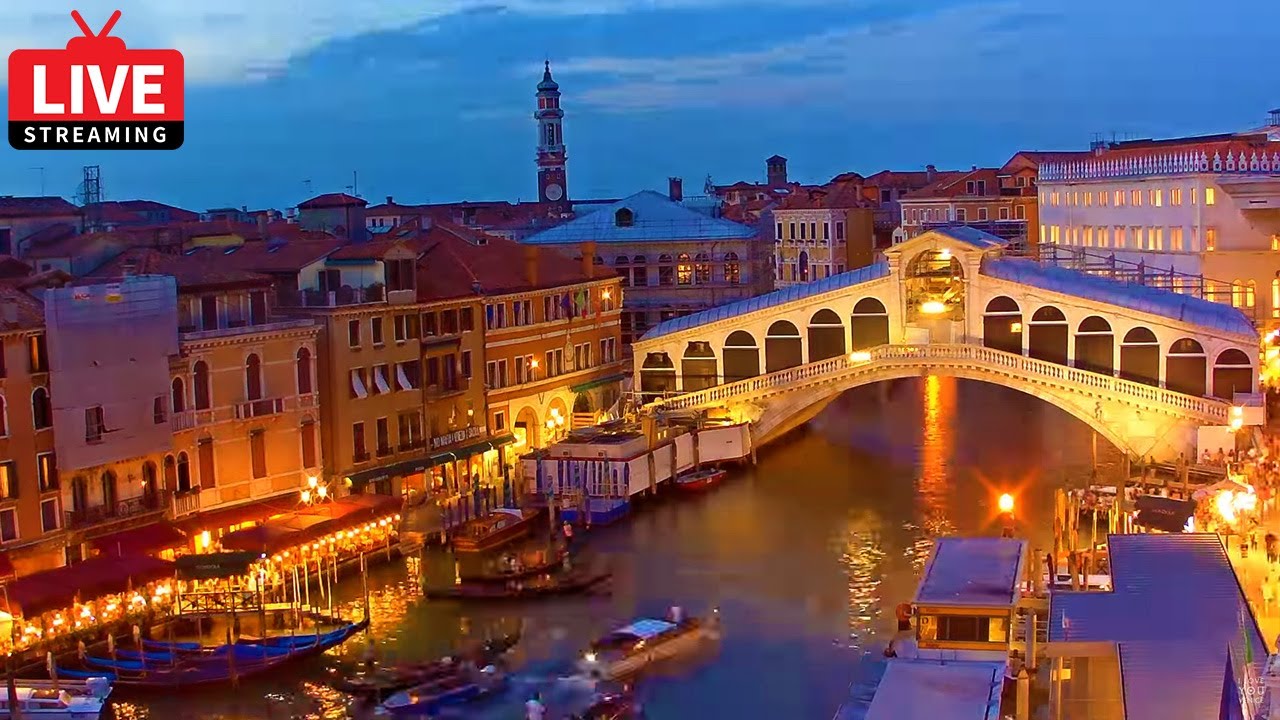
Consider the impact of witnessing the bustling activity of Venice's Rialto Bridge live. Students can observe the architecture, the people, and the flow of daily life in Italy without leaving the classroom. Watch it live at Venice Rialto. This immediate, visual connection to a distant location makes geography and culture more tangible and relatable, enhancing comprehension and retention. Furthermore, the use of live webcams education supports diverse learning styles, catering to visual learners and providing a shared experience that can stimulate classroom discussions and collaborative projects.
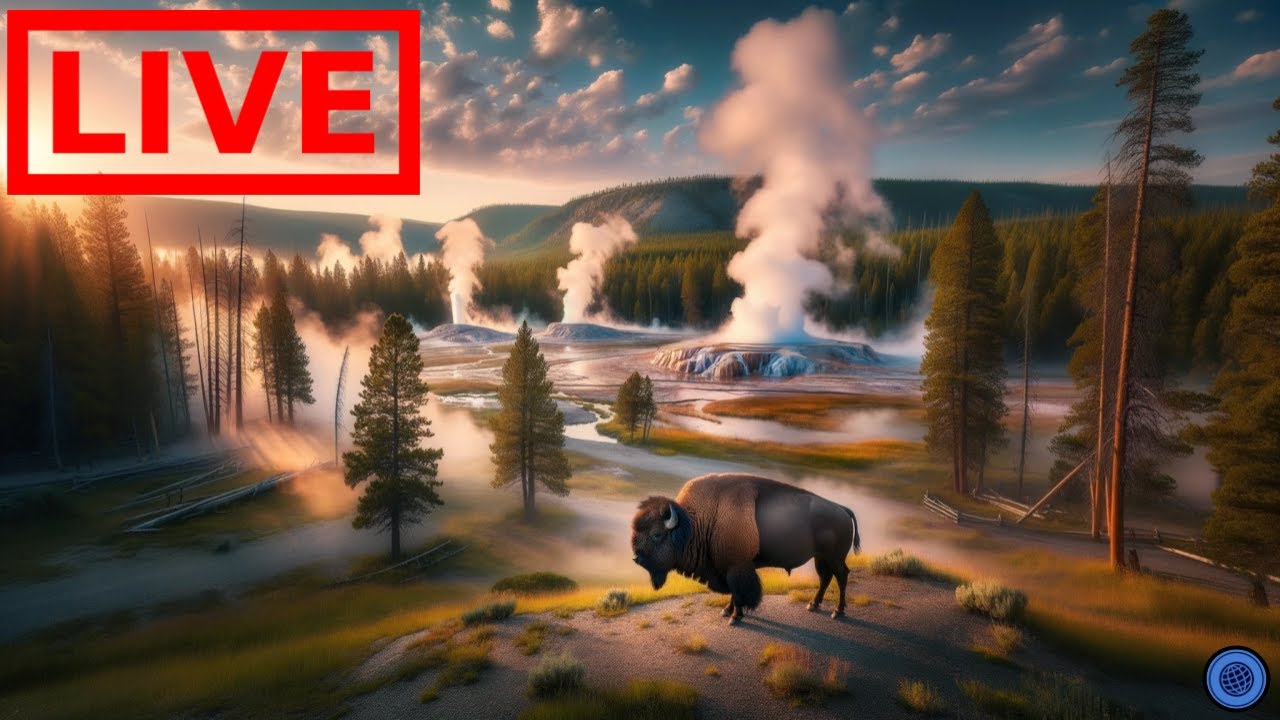
Beyond geography and culture, live streams offer practical applications in science, environmental studies, and current events. Whether monitoring wildlife in Yellowstone National Park or observing weather patterns in real-time, students can gain a deeper understanding of complex systems and develop critical thinking skills. The accessibility and immediacy of live webcams education make it a valuable tool for creating relevant, exciting, and impactful learning experiences across a wide range of subjects. With EarthLive24 Multi-View, you can even watch multiple streams at once for comparative learning, such as comparing the weather in St. Augustine, United States, with Tinos Island, Greece.
Geography Lessons with Live Cameras
Geography lessons can be significantly enhanced by using live cameras to provide students with a visual and immediate understanding of different landscapes, environments, and geographical features. Instead of simply reading about the Amazon rainforest or the Swiss Alps, students can actually see these places in real-time, observing the flora, fauna, and natural processes that characterize each region.
For example, imagine a lesson on volcanoes. While a textbook might provide diagrams and descriptions, a live webcam focused on an active volcano can show students the real-time activity, from steam vents to lava flows. This visual representation can help them grasp the dynamic nature of geological processes and appreciate the power of natural forces. Similarly, students studying coastal erosion can observe the effects of waves and tides on a beach, like St. Augustine Beach in the United States, and understand the challenges faced by coastal communities. Watch it live at St. Augustine Beach.
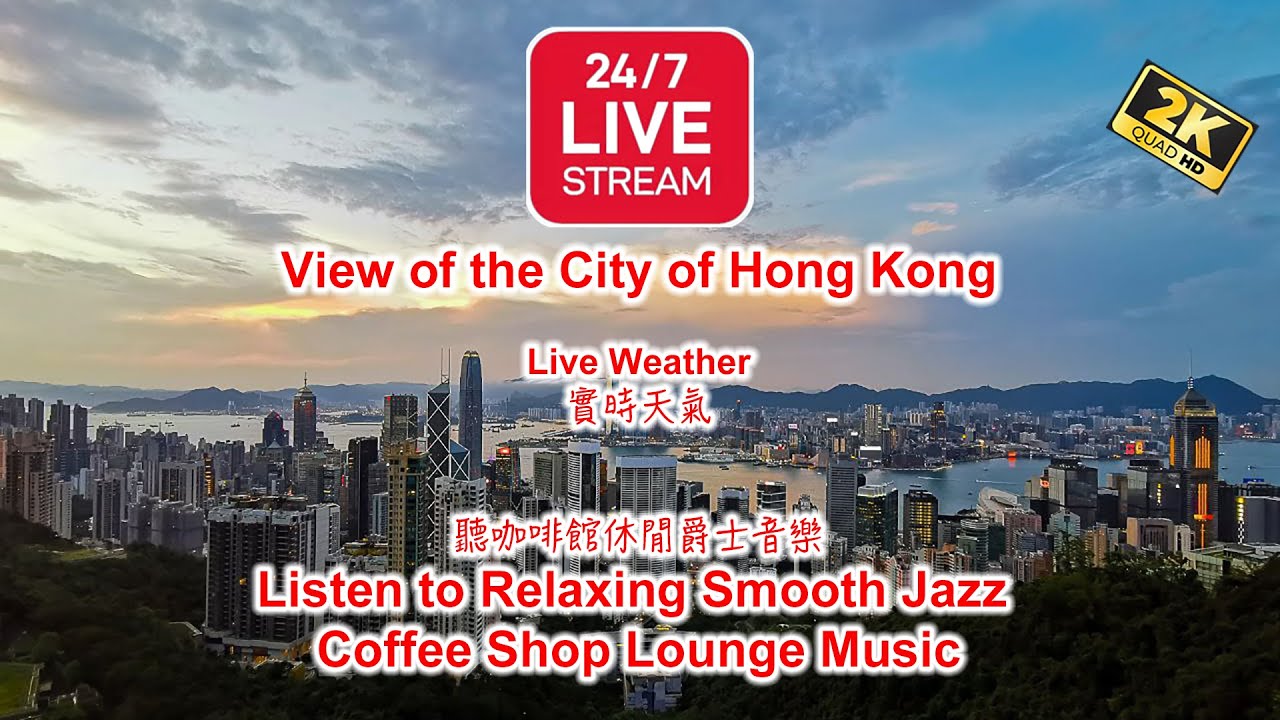
Furthermore, live webcams education can be used to compare and contrast different geographical regions. Students could, for instance, compare the urban landscape of Hong Kong, visible on the Hong Kong Skyline camera, with the vast wilderness of Yellowstone, as seen on the Yellowstone camera. Watch it live at Yellowstone and Hong Kong Skyline. Such comparisons can help them understand the factors that shape different environments and the impact of human activity on the planet. By exploring various camera locations via the explore cameras on the map page, students can create custom geography tours, focusing on specific regions or geographical phenomena. Don't forget to check out flights and hotels to these locations! Flights to Hong Kong | Hotels in Hong Kong and Flights to Yellowstone | Hotels in Yellowstone.
Weather and Climate Education
Understanding weather and climate patterns can be challenging for students, especially when relying solely on abstract data and theoretical models. Live cameras provide a tangible and engaging way to observe real-time weather conditions and witness the effects of climate change around the world. Whether it's monitoring a blizzard in Björkliden, Sweden or observing the sunny skies above Tinos Island, Greece, these visual experiences make weather and climate concepts more accessible and relatable. Watch it live at Björkliden Lapland and Tinos Island.
For instance, a lesson on seasonal changes could involve comparing live feeds from different locations around the world. Students could observe the differences in vegetation, snowfall, and daylight hours in real-time, gaining a deeper understanding of the Earth's tilt and its impact on climate. Similarly, monitoring coastal cameras during storm events can illustrate the effects of severe weather, helping students understand the importance of disaster preparedness and mitigation.
The use of live webcams education can also facilitate discussions about climate change. By observing the effects of rising sea levels, melting glaciers, or extreme weather events, students can develop a more informed and nuanced understanding of the challenges facing our planet. The Shark Cam Monterey, located in the United States, can also provide insights into how changes in ocean temperatures affect marine life. Watch it live at Shark Cam Monterey.
Cultural Observation
One of the most compelling applications of live cameras in education is the opportunity for cultural observation. Students can virtually travel to different countries and regions, observing the daily lives, customs, and traditions of people from diverse backgrounds. This immersive experience can foster empathy, promote intercultural understanding, and broaden students' perspectives on the world.
Consider the impact of watching the Christ the Redeemer statue overlooking Rio de Janeiro, Brazil. Students can observe the city's vibrant culture and the daily activities of its residents. Watch it live at Christ the Redeemer. Similarly, observing the activity at Maho Beach Airport in Sint Maarten provides a unique perspective on the intersection of tourism and local life. Watch it live at Maho Beach Airport. These glimpses into different cultures can spark curiosity and encourage students to learn more about the history, art, and social structures of other societies.
Furthermore, live webcams education can be used to challenge stereotypes and promote critical thinking. By observing real-life situations and interacting with people from different backgrounds (through online forums or virtual exchange programs), students can develop a more nuanced understanding of cultural differences and similarities. This approach can help them become more informed and responsible global citizens. Explore the many cameras in Brazil and Sint Maarten to expand your cultural horizons.
Time Zones and Day/Night Cycles
Teaching students about time zones and day/night cycles can be greatly enhanced through the use of live cameras. By observing the same location at different times of the day, students can directly witness the changing light and the progression of time. This hands-on approach makes these abstract concepts more concrete and understandable.
For example, students can compare the live feed from a camera in New York City with one in Tokyo to observe the difference in time zones. They can watch as the sun rises in Tokyo while it is still nighttime in New York. This visual representation helps them grasp the concept of time differences and understand how the Earth's rotation affects daylight hours around the world. Similarly, observing a camera in the Arctic region can illustrate the phenomenon of the midnight sun during the summer months.
The Kruger National Park camera in South Africa provides a fascinating view of the day/night cycles of African wildlife. Watch it live at African Safari Live. Students can observe the changing behaviors of animals as they adapt to the different times of the day. Flights to Rio de Janeiro | [Hotels in Rio de Janeiro]. By using live webcams education in this way, educators can transform abstract concepts into engaging and memorable learning experiences.
Multi-View for Comparative Learning
The ability to view multiple live camera feeds simultaneously, as offered by EarthLive24's EarthLive24 Multi-View feature, is a powerful tool for comparative learning. This allows students to directly compare and contrast different locations, environments, and cultures in real-time, fostering deeper understanding and critical thinking skills.
For example, students can compare the weather conditions in two different cities, such as Venice, Italy and St. Augustine, United States, to understand the effects of geographical location and climate patterns. Alternatively, they can compare the landscapes of a beach camera with a mountain camera to appreciate the diversity of natural environments.
Furthermore, the multi-view feature can be used to explore cultural differences. Students can compare the activity levels in a bustling city center with that of a quiet rural village, gaining insights into different lifestyles and social structures. By juxtaposing different perspectives, the multi-view feature encourages students to analyze, synthesize, and draw their own conclusions, enhancing their analytical and problem-solving skills. You can view multiple locations at once and explore flights to Venice | [Hotels in Venice].
FAQ
How can I use live webcams for education in my classroom?
Live webcams can be integrated into various lessons, from geography and science to culture and current events. Use them to visually demonstrate concepts, spark discussions, and provide students with real-time glimpses into different parts of the world, supplementing traditional teaching materials and fostering engagement.
Are live webcams safe for students to use?
Yes, when used responsibly and with proper supervision, live webcams are a safe and valuable educational tool. Educators should preview the camera feeds to ensure they are appropriate for their students and provide guidance on responsible online behavior and critical evaluation of information.
What types of educational topics can be taught using live webcams?
Live webcams are versatile and can be used to teach a wide range of topics, including geography, weather, climate change, cultural studies, environmental science, time zones, and even current events. They offer a dynamic and engaging way to bring real-world examples into the classroom, enhancing learning and comprehension.