
Live ISS Camera — Watch Earth from Space 24/7

What Is the ISS Camera?
The International Space Station (ISS) is a habitable artificial satellite in low Earth orbit. It serves as a microgravity and space environment research laboratory where crew members conduct experiments in various fields, including biology, human physiology, physics, astronomy, and meteorology. One of the most captivating aspects of the ISS is the opportunity to view our planet from its unique vantage point, and the ISS live camera makes this possible for anyone with an internet connection.
The High Definition Earth Viewing (HDEV) experiment, initially installed on the ISS, featured several commercially available HD video cameras aimed at Earth. While HDEV is no longer active, its legacy continues through other camera systems on board, providing stunning views of our planet. These cameras broadcast live video feeds of Earth as seen from the ISS, offering breathtaking glimpses of cities, oceans, mountains, and the dynamic atmospheric phenomena that shape our world. This continuous stream allows viewers to witness sunrises and sunsets approximately every 45 minutes, a truly awe-inspiring experience.
The primary ISS live camera feed available to the public is provided by NASA and its partners. The video quality can vary depending on the available bandwidth and operational status of the equipment. When the signal is lost, viewers will typically see a blue screen or a pre-recorded video. During periods of inactivity, commentary from mission control or educational information about the ISS may be displayed. Nevertheless, the moments when the live video stream is active are invaluable, offering an unfiltered perspective of Earth's beauty and fragility.
What You Can See from the ISS
The views from the ISS live camera are remarkably diverse and captivating. Depending on the ISS's position in its orbit, you can witness a wide range of geographical features and atmospheric conditions. Clear weather conditions offer unobstructed views of continents, mountain ranges, and vast expanses of oceans. Major cities appear as glittering constellations of light during nighttime passes, providing a unique perspective on human settlements across the globe.
One of the most impressive sights is the Earth's horizon, which appears as a thin blue line separating our planet from the blackness of space. This delicate boundary highlights the fragility of our atmosphere and the vital role it plays in sustaining life. The camera also captures stunning cloud formations, from towering cumulonimbus clouds associated with thunderstorms to swirling patterns of cyclones and hurricanes. These dynamic weather systems demonstrate the power and complexity of Earth's climate.
Furthermore, the ISS live camera can sometimes capture other celestial phenomena. The aurora borealis (Northern Lights) and aurora australis (Southern Lights) are often visible as shimmering curtains of light dancing across the polar regions. These displays are caused by charged particles from the sun interacting with Earth's magnetic field, creating a mesmerizing spectacle. On occasion, viewers may also catch glimpses of meteors streaking across the atmosphere or even the moon in the distance. It's a constantly changing view, making it endlessly fascinating to watch. It's similar to watching Curaçao Mambo Beach (Willemstad, Curaçao) live; you never know what each moment will bring.
Best Times to Watch
Determining the best times to watch the ISS live camera involves considering several factors, primarily the ISS's orbital path and the time of day in relation to different geographical locations. Since the ISS orbits Earth approximately every 90 minutes, its position changes constantly. Predicting when the ISS will be passing over a specific region requires tracking its orbit, which can be done using various online tools and mobile apps.
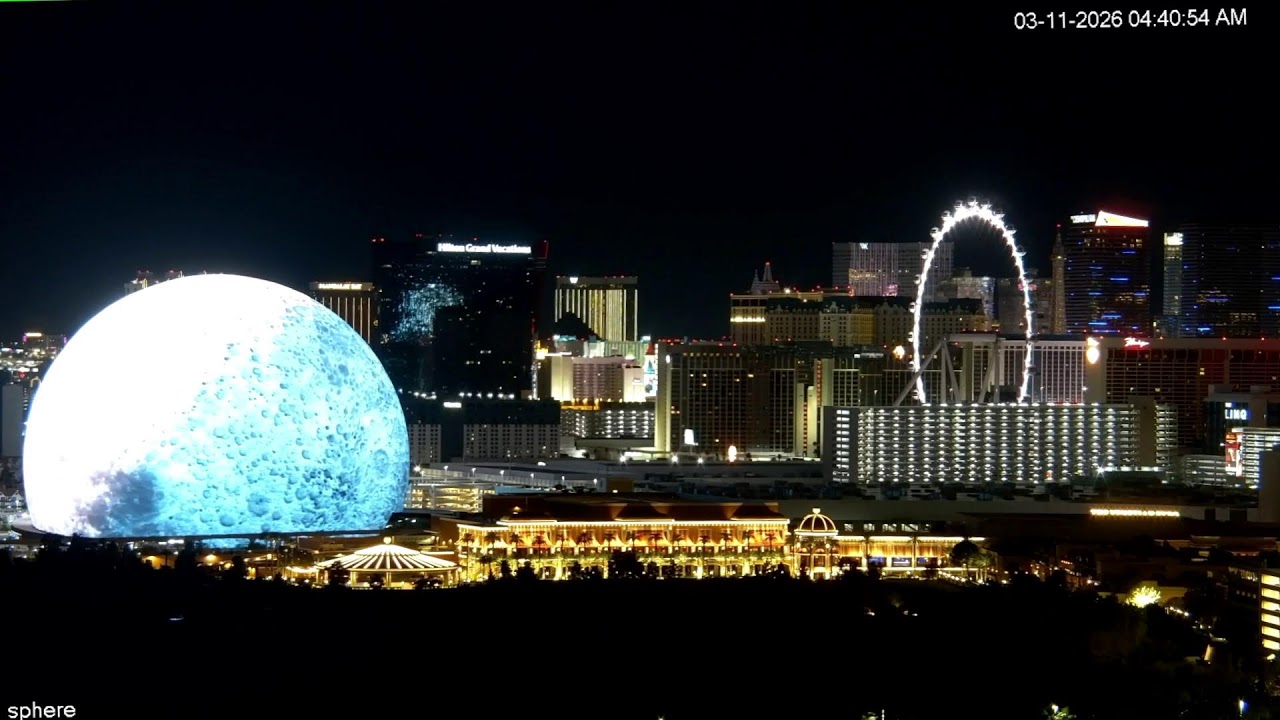
Generally, the most visually stunning views are often during sunrise and sunset, or when the ISS is passing over areas with minimal light pollution. These conditions provide the best contrast and visibility of Earth's features. Nighttime views can also be interesting, especially when passing over densely populated areas like the Las Vegas Strip (Las Vegas, United States), where the city lights create a dazzling display. However, keep in mind that the camera might switch to an internal view during periods of darkness.
Several websites and apps provide real-time tracking of the ISS, allowing you to determine its current location and trajectory. These resources can also send notifications when the ISS is expected to pass over your region, giving you a heads-up to tune into the ISS live camera. Remember to account for potential delays or changes in the ISS's orbit, and be patient. The views are worth the wait!
ISS Orbit Tracker
Tracking the International Space Station's orbit is essential for maximizing your viewing experience with the ISS live camera. Several online resources and mobile apps provide real-time tracking data, allowing you to pinpoint the ISS's current location, predict its future paths, and determine when it will be visible from your location. These tools use complex algorithms to calculate the ISS's trajectory based on its orbital parameters, which are constantly updated.
One popular method is using websites like Heavens-Above or NASA's own ISS tracking page. These platforms typically display a map showing the ISS's current position, its ground track (the path it traces across Earth's surface), and a list of upcoming visible passes for your location. You can enter your latitude and longitude to receive customized predictions tailored to your specific viewing area. This is particularly useful for planning when to watch for specific landmarks or geographical features, like when it's passing over the Scheveningen area in The Hague, Netherlands.
Mobile apps like ISS Detector or Satellite Tracker offer similar functionality, often with the added benefit of push notifications that alert you when the ISS is about to become visible. These apps can also provide information about the ISS's altitude, speed, and distance from your location. By utilizing these tools, you can significantly increase your chances of catching breathtaking views from the ISS live camera and gain a deeper understanding of its orbital mechanics.
Space Cameras on EarthLive24
EarthLive24 is your premier destination for a wide variety of live webcams, providing unique perspectives from around the globe. While we don't directly host the official ISS live camera feed (which is provided by NASA), we offer a curated selection of other space-related and Earth-observing cameras that complement the experience. Our platform allows you to explore our planet from a multitude of angles, from bustling cityscapes to serene natural landscapes.
For those fascinated by weather patterns, the Big Bear Lake camera (Big Bear, United States) offers a view of cloud formations and atmospheric conditions in the San Bernardino Mountains. If you're interested in observing urban environments, the Istanbul Golden Horn camera (Istanbul, Turkey) provides a live feed of a vibrant and historic city. And for nature enthusiasts, the Sea Otters Seattle camera (Seattle, United States) offers an adorable glimpse into the lives of these fascinating marine mammals.
These cameras, along with the Fullerton Train Cam (Fullerton, United States), Cannes Harbour (Cannes, France), Corfu Old Town (Corfu, Greece), and Hollywood Beach FL (Hollywood, United States), are just a small sample of the diverse range of live streams available on EarthLive24. Each camera offers a unique perspective and allows you to connect with different parts of the world in real-time. Explore our map page to discover even more cameras and experience the world from a new perspective.
Watch ISS and Other Space Cams Together
Enhance your viewing experience by combining the ISS live camera feed with other complementary streams available on EarthLive24. Our platform offers the ability to watch multiple streams at once, allowing you to create a customized viewing experience that caters to your specific interests. Imagine watching the live view from the ISS alongside a ground-based weather camera or a live stream of a bustling city.
For example, you could monitor the weather conditions over a specific region using a live webcam while simultaneously tracking the ISS's orbit and anticipating its pass over that area. This allows you to compare the ground-based perspective with the view from space, providing a more comprehensive understanding of the environment. This is especially true if you're tracking a specific storm system – you can see it developing on Earth, and then see the larger scale from the ISS.
Furthermore, you can combine the ISS live camera with other EarthLive24 cameras based on your interests. Perhaps you want to compare the lights of Las Vegas as seen from the ISS with a direct view from the Las Vegas Strip camera. Or maybe you're interested in monitoring the ocean conditions near Curaçao while simultaneously watching the Earth from space. Our Multi-View feature lets you explore the connections between different locations and perspectives, creating a richer and more engaging experience. It's a fantastic way to appreciate the interconnectedness of our planet and the unique vantage point offered by the International Space Station.
FAQ
What exactly am I seeing on the ISS live camera?
The ISS live camera broadcasts real-time video of Earth as seen from the International Space Station. Depending on the ISS's location, you might see cities, oceans, mountains, deserts, and various atmospheric phenomena like clouds and auroras.
Why is the screen sometimes blue or gray?
The screen might be blue or gray when the ISS is in darkness (during its nighttime pass), or when there are technical issues with the camera feed. Sometimes NASA will broadcast pre-recorded video or information during these times.
How can I find out when the ISS will be passing over my location?
Use websites like Heavens-Above or NASA's ISS tracking page, or download a mobile app like ISS Detector. These tools allow you to enter your location and receive predictions for upcoming ISS passes.